Are Diesel Engines More Expensive to Repair
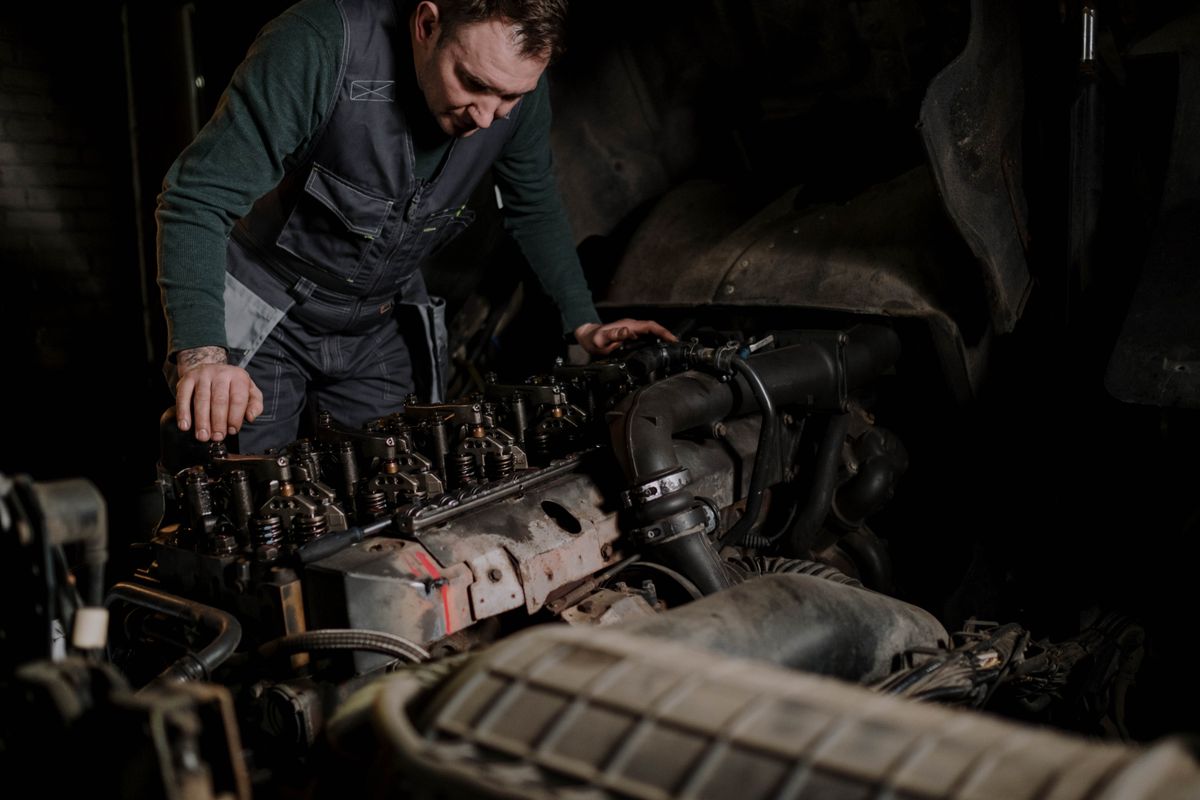
Diesel repairs cost more than gas, but why? We break down parts, labor, and real numbers to help you budget and maintain your rig.
If you’re new to diesel trucks, you’ve probably heard the horror stories: a blown diesel engine can cost $20,000 or more. The short answer is yes, diesel engines are more expensive to repair than gasoline engines, but the gap isn’t as simple as “diesel costs double.” It depends on the failure, the parts, and the labor. Here’s what you need to know to budget and avoid surprises.
Why Diesel Repairs Cost More
Diesel engines are built heavier and run hotter, so components are larger and more robust. That means parts cost more, and labor rates are higher because diesel techs need specialized training and tools. For example, a fuel injector for a heavy-duty diesel can run $300 to $800 each, and you might need six of them. A gasoline injector might cost $50 to $150. Similarly, a diesel turbocharger can cost $1,500 to $3,500, while a gas turbo (if equipped) is often $800 to $1,500.
Labor rates also differ. Independent diesel shops charge $100 to $150 per hour, while dealerships can hit $150 to $200 per hour. Gas engine work at a general shop might be $80 to $120 per hour. Because diesel repairs often take longer, labor adds up fast.
Common Diesel Repairs and Realistic Costs (2026)
Here are typical repair costs for a Class 8 truck (like a Freightliner or Peterbilt) and a diesel pickup (like a Ford F-250). These are ranges based on current market data, including parts and labor.
| Repair | Heavy-Duty Truck (Class 8) | Diesel Pickup (3/4 ton) |
|---|---|---|
| Oil change (full synthetic, 15 quarts) | $150 - $250 | $100 - $150 |
| Fuel injector replacement (per injector) | $400 - $800 | $300 - $600 |
| Turbocharger replacement | $2,000 - $3,500 | $1,500 - $2,500 |
| EGR valve replacement | $500 - $1,200 | $400 - $900 |
| DPF cleaning (professional) | $500 - $1,000 | $400 - $800 |
| DPF replacement | $3,000 - $6,000 | $2,000 - $4,000 |
| Head gasket replacement | $3,000 - $5,000 | $2,500 - $4,000 |
| Complete engine overhaul | $15,000 - $30,000 | $8,000 - $15,000 |
These are ballpark figures. Your actual costs depend on the make, model, and region. A Detroit Diesel engine will cost more than a Cummins in some cases, but not always.
What Drives the Cost Difference?
Parts cost more. Diesel pistons, crankshafts, and bearings are larger and made of stronger materials. For example, a diesel piston might cost $200 to $400 each, while a gas piston is $50 to $100. A diesel crankshaft for a heavy-duty truck can cost $2,000 to $4,000.
Labor is more specialized. Diesel techs often have ASE certifications and training from manufacturers like Cummins or PACCAR. That expertise comes at a premium. Plus, many repairs require special tools, like a diesel compression tester or injector puller, which adds to shop overhead.
Emissions systems add complexity. Since 2010, diesel trucks have had DPF, DEF, and EGR systems. These components fail and are expensive to replace. A DPF can clog, a DEF injector can freeze, and an EGR cooler can leak. These systems are unique to diesel and add thousands to repair bills.
Diesel engines last longer, but when they break, they break big. A gas engine might need a rebuild at 200,000 miles; a diesel can go 500,000 to 1,000,000 miles with proper care. But when a diesel fails, it’s often a major event, like a cracked block or failed injector pump, which costs more.
How to Reduce Diesel Repair Costs
You can’t avoid all repairs, but you can cut costs with these steps:
- Do your own oil changes. If you have the space and tools, changing oil on a diesel pickup is straightforward. For a Class 8 truck, it’s harder, but you can still save $50 to $100 per change.
- Use quality filters and fluids. Cheap filters can let contaminants through, causing injector or turbo damage. Stick with OEM or high-quality aftermarket brands.
- Monitor your gauges. Watch oil pressure, coolant temp, and exhaust temp. Catching a problem early can save thousands. For example, a slight overheat can warp a head, leading to a $4,000 gasket job.
- Keep your DPF clean. If you do lots of short trips, the DPF may not regenerate. Take your truck on a highway run once a week to burn off soot. This can prevent a $3,000 replacement.
- Get multiple quotes. For major repairs, call three shops. Prices can vary by 30% or more. Ask for a written estimate with parts and labor broken out.
- Consider a warranty or extended coverage. If you’re buying a used diesel, a warranty can pay for itself. But read the fine print: many exclude emissions components.
Is It Worth It?
Despite higher repair costs, diesel engines are still a good investment for truckers. They get better fuel economy, especially under load. A diesel truck might get 6 to 8 mpg pulling a trailer, while a gas truck gets 4 to 6 mpg. Over 100,000 miles, that’s a fuel savings of $5,000 to $10,000 at current diesel prices. Plus, diesels hold their resale value better.
For owner-operators, the cost of repairs is a business expense. You can deduct it on your taxes, and you can plan for it with a maintenance fund. Set aside $0.10 to $0.20 per mile for repairs and maintenance. That way, when a $2,000 repair hits, you’re ready.
FAQ
Is it cheaper to repair a gas engine than a diesel? Yes, generally. Parts and labor are lower for gas engines. But gas engines don’t last as long under heavy use, so you may replace the engine sooner, which can equalize costs over the long run.
Can I work on my own diesel engine to save money? You can do basic maintenance like oil changes, filter swaps, and battery replacement. But major repairs like injector or turbo work require special tools and knowledge. If you’re not experienced, you risk causing more damage.
Do diesel repairs cost more because of the brand? Yes. Premium brands like Detroit, Cummins, and Volvo have higher parts prices than some others. But they also have better support and parts availability. For pickups, Duramax, Power Stroke, and Cummins all have similar costs.
How often should I budget for major diesel repairs? It varies, but a good rule is to set aside $0.10 to $0.20 per mile. For a truck driving 100,000 miles a year, that’s $10,000 to $20,000. You won’t spend that every year, but it covers the big failures when they happen.
The Bottom Line
Yes, diesel engines are more expensive to repair, often by 30% to 50% compared to gas engines. The higher parts and labor costs are offset by better fuel economy and longer engine life. If you’re a driver or small fleet owner, the key is to budget for repairs, do preventive maintenance, and shop around for quotes. With proper care, your diesel can be a reliable workhorse for a million miles, and the repair costs are just part of the business.