Aftertreatment System for Diesel Engines
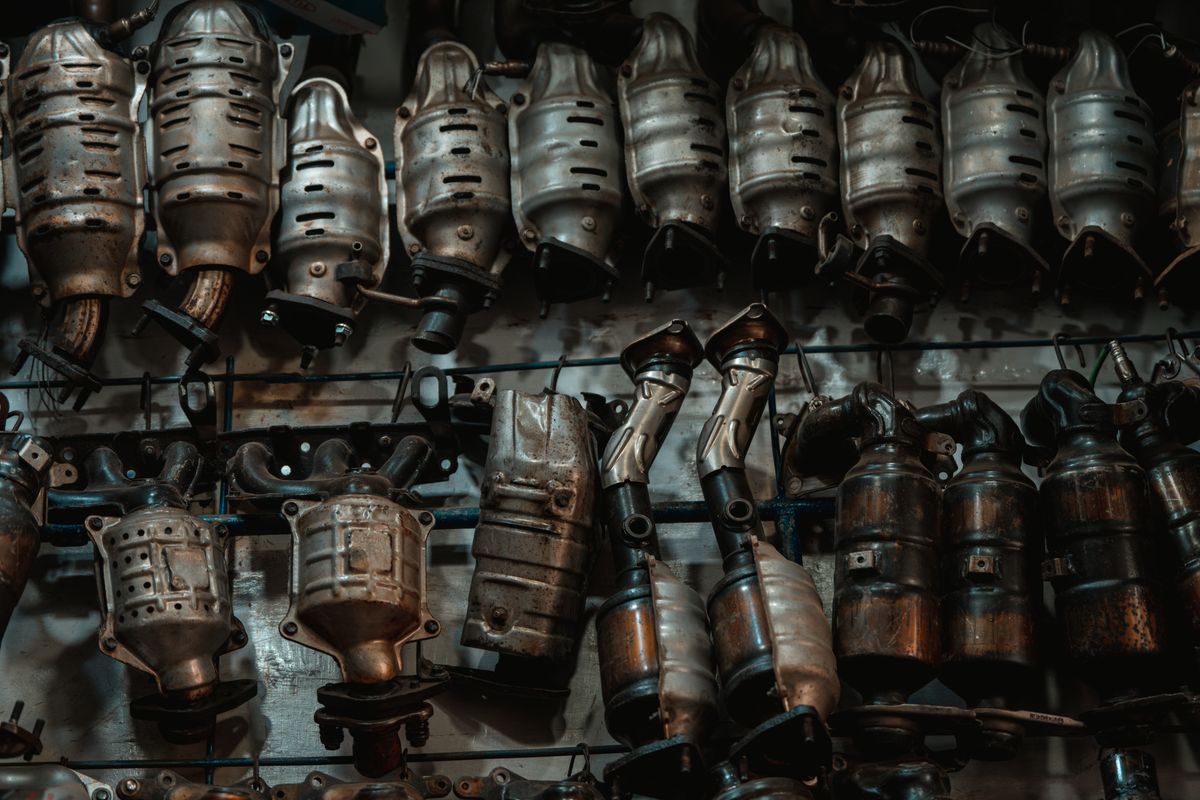
Learn how diesel aftertreatment systems work, common failures, maintenance costs, and practical steps to keep your truck compliant and running.
If you drive a modern diesel truck, the aftertreatment system is what cleans your exhaust to meet EPA emissions standards. It’s a complex setup of filters, catalysts, and fluid injection that can cause big headaches if you ignore it. This guide explains what each part does, what it costs to maintain, and how to avoid costly breakdowns.
What Is an Aftertreatment System?
Aftertreatment is everything between the engine’s exhaust manifold and the tailpipe that cleans emissions. It includes the Diesel Oxidation Catalyst (DOC), Diesel Particulate Filter (DPF), Diesel Exhaust Fluid (DEF) system, and Selective Catalytic Reduction (SCR) catalyst. Together, they reduce particulate matter (soot), nitrogen oxides (NOx), and other pollutants.
The system is required on all heavy-duty diesel engines built after 2010. It’s controlled by the engine’s electronic control module (ECM), which monitors sensors and triggers regenerations to burn off soot.
Key Components and How They Work
Diesel Oxidation Catalyst (DOC)
The DOC is a ceramic or metal honeycomb coated with precious metals like platinum and palladium. It oxidizes carbon monoxide, hydrocarbons, and some particulate matter. It also generates heat to help the DPF reach regeneration temperature.
Diesel Particulate Filter (DPF)
The DPF traps soot from exhaust. It’s a wall-flow filter that collects particles until the ECM initiates regeneration. There are two types: passive (uses exhaust heat during normal driving) and active (injects extra fuel to raise temperature).
Regeneration (Regen)
Regeneration burns off accumulated soot. Passive regen happens at highway speeds. Active regen occurs when the DPF reaches a certain pressure drop, usually every 300 to 600 miles. If you ignore the warning light, the system will derate (reduce power) to force a regen.
Diesel Exhaust Fluid (DEF) and SCR
DEF is a mixture of 32.5% urea and deionized water. It’s injected into the exhaust stream before the SCR catalyst. The heat converts urea into ammonia, which reacts with NOx to form nitrogen and water. DEF consumption is typically 2% to 4% of fuel usage. A truck getting 6 mpg will use about 2.5 gallons of DEF per 1,000 miles.
Common Problems and Warning Signs
- DPF clogging: Soot builds up faster if you do lots of idling or short trips. Warning: check engine light, reduced power, or frequent regens.
- DEF quality issues: Using off-spec DEF can crystallize and plug injectors. Always buy DEF that meets ISO 22241.
- Sensor failures: Pressure and temperature sensors fail, causing false regens or derates.
- Injector clogging: DEF injectors can clog if the system isn’t purged or if DEF sits too long.
- Crystallization: DEF crystals can form on the injector or in the lines, especially in cold weather.
Maintenance Costs and Schedule
Here are realistic 2026 costs for common aftertreatment services:
| Service | Frequency | Cost Range |
|---|---|---|
| DEF fluid (per 1,000 miles) | As needed | $15-$25 |
| DPF cleaning (professional) | Every 150,000-250,000 miles | $500-$1,000 |
| DPF replacement | If damaged | $3,000-$8,000 |
| DEF injector replacement | As needed | $400-$800 |
| NOx sensor replacement | As needed | $200-$500 each |
| SCR catalyst replacement | Rarely | $2,000-$5,000 |
Preventive maintenance is far cheaper than breakdowns. A failed DPF can cost $10,000+ if it damages the DOC or SCR.
Practical Steps to Keep Your System Healthy
- Use quality DEF: Buy from reputable sources. Check the ISO 22241 label. Avoid bulk tanks that might be contaminated.
- Don’t ignore warning lights: If the DPF light comes on, drive at highway speeds for 20-30 minutes to allow passive regen. If it persists, schedule a forced regen.
- Avoid excessive idling: Idling increases soot buildup. If you must idle, keep RPMs up or use a high-idle feature.
- Perform regular regens: If your truck has a manual regen switch, use it when conditions allow (safe, open road).
- Inspect for leaks: Check DEF lines and injectors for leaks or crystallization. Clean with warm water if needed.
- Follow OEM service intervals: Replace fuel filters and air filters as scheduled. Dirty air filters affect combustion and increase soot.
- Use quality fuel: Low-quality fuel can increase ash and soot. Stick to reputable brands.
- Keep records: Track regen frequency and any codes. This helps diagnose issues early.
FAQ
Q: How often should I perform a forced regen?
A: Only when the DPF light indicates high soot. Forced regens should be done every 300-600 miles of active regen, but if you drive mostly highway, passive regen may handle it. If you see the light more often than every 500 miles, there may be an underlying issue.
Q: Can I clean a DPF myself?
A: Some owner-operators attempt to clean with compressed air or water, but it’s risky. Professional cleaning uses specialized equipment to bake and blow out ash. DIY methods can damage the filter. It’s safer to pay $500-$1,000 for a professional cleaning.
Q: What happens if I run out of DEF?
A: The ECM will derate the engine to 5 mph after a warning sequence. You’ll get a check engine light and a countdown. You must refill DEF to restore full power. Always carry spare DEF if you’re in remote areas.
Q: Why does my truck regen so often?
A: Frequent regens can be caused by short trips, excessive idling, a faulty sensor, or a clogged DPF. Check for diagnostic codes. If it’s more than once every 300 miles, have a technician inspect the system.
The Bottom Line
The aftertreatment system is essential for compliance and clean air, but it requires attention. Understand the components, watch for warning signs, and follow a preventive maintenance schedule. The costs are manageable if you stay ahead of problems. Keep your DEF topped up, avoid idling, and don’t ignore lights. A little proactive care saves you thousands in repairs and keeps your truck on the road.
If you’re new to this, start by checking your DPF pressure readings and regen history. Talk to your mechanic about a maintenance plan. The more you know, the less likely you’ll be stranded with a derate.