Advantage of Diesel Engine Over Petrol Engine
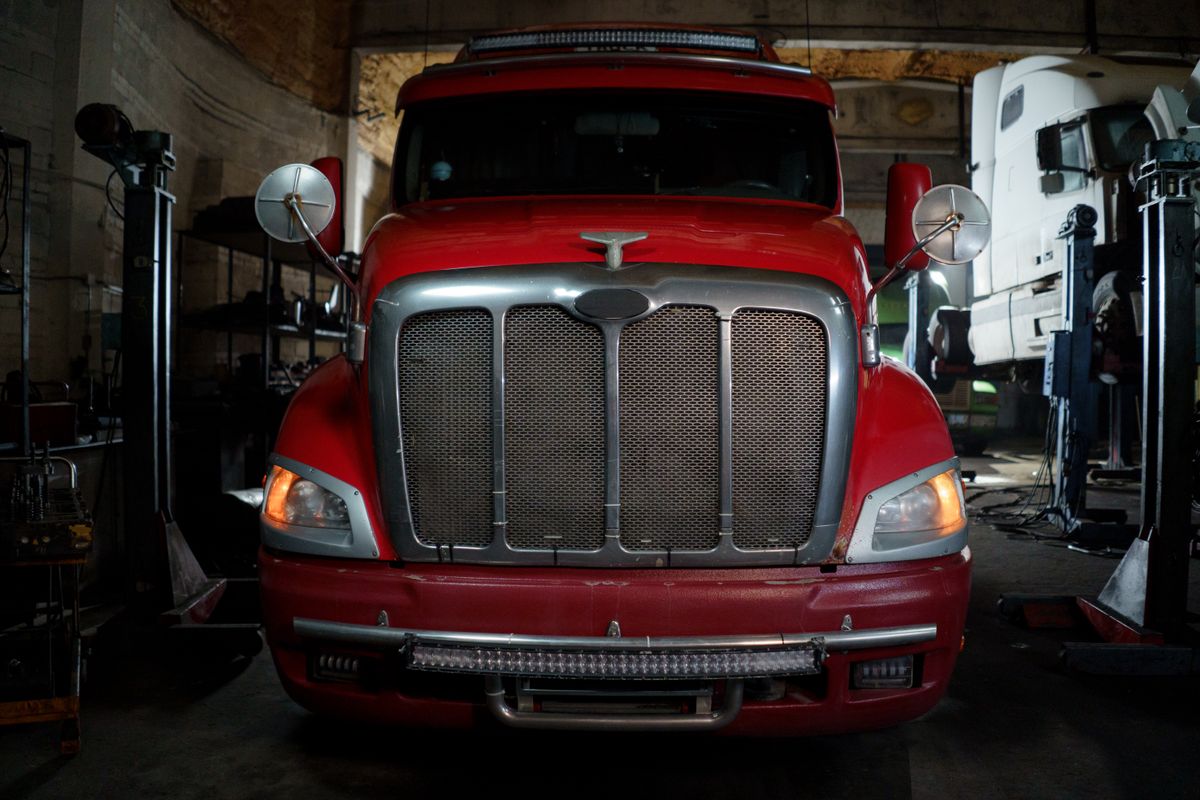
Discover why diesel engines beat petrol for trucking: better fuel economy, torque, durability, and resale value. Real numbers and practical advice for drivers.
If you’re comparing diesel vs. petrol engines for a truck or heavy pickup, diesel wins for most commercial uses. Diesel engines deliver 20% to 35% better fuel economy, far more low-end torque, and typically last two to three times longer than petrol engines. This guide breaks down the concrete advantages, with real-world numbers and practical steps you can take this week.
Fuel Economy: The Biggest Daily Advantage
Diesel fuel contains about 10% more energy per gallon than petrol, and diesel engines run at higher compression ratios, which extracts more of that energy. The result: a diesel truck will get roughly 6 to 10 mpg in highway driving, while a comparable petrol truck gets 4 to 7 mpg. That’s a 25% to 35% improvement.
For a typical owner-operator running 100,000 miles a year at 6.5 mpg diesel vs. 5.0 mpg petrol, with diesel at $3.50/gal and petrol at $3.20/gal, the fuel cost difference is about $5,400 per year in diesel’s favor. Even with diesel fuel often costing $0.30 to $0.50 more per gallon, the efficiency gap still saves money.
Practical step: Check your current fuel logs. Calculate your average mpg and annual miles. Use the formula below to see your potential savings:
Savings = (Annual Miles / Petrol MPG) × Petrol Price - (Annual Miles / Diesel MPG) × Diesel Price
If you’re considering a new truck, ask the dealer for the EPA or manufacturer’s fuel economy numbers for both engine options, and run the math for your typical routes.
Torque and Towing: Power Where You Need It
Diesel engines produce peak torque at low RPM, usually between 1,200 and 1,800 rpm. Petrol engines need higher RPMs, often 3,000 to 4,000 rpm, to reach their torque peak. For pulling heavy loads, climbing grades, or accelerating from a stop, diesel’s low-end grunt means less shifting and less strain on the drivetrain.
A typical heavy-duty diesel pickup like the Ford F-350 makes 1,050 lb-ft of torque at 1,600 rpm. A petrol equivalent makes around 430 lb-ft at 4,000 rpm. That difference is why diesel trucks can tow 20,000 to 35,000 pounds with ease, while petrol trucks struggle above 10,000 to 15,000 pounds.
Practical step: If you tow or haul heavy loads, test drive both engines on a route with a steep grade. Notice how often you need to downshift. Diesel will hold speed better with fewer shifts, which also reduces driver fatigue.
Durability and Longevity: Built to Last
Diesel engines are built with heavier blocks, stronger internals, and better cooling systems to handle high compression and continuous load. A well-maintained diesel engine can run 500,000 to 1,000,000 miles before a major overhaul. Petrol engines typically need rebuilds at 150,000 to 250,000 miles.
That longevity translates into lower total cost of ownership. Even though diesel engines cost $5,000 to $10,000 more upfront, they hold their value better. A 5-year-old diesel truck might sell for 60% of its original price, while a petrol truck sells for 40% to 45%.
Practical step: When shopping used trucks, check the engine hours and maintenance records. A diesel with 300,000 miles may have more life left than a petrol with 150,000 miles. Also, look for signs of proper maintenance like oil change intervals of 10,000 to 15,000 miles with full synthetic oil.
Resale Value: Diesel Holds Its Worth
Diesel trucks and pickups have consistently higher resale values than petrol versions. According to industry data, a diesel pickup can be worth $4,000 to $8,000 more than the same model with a petrol engine after 3 to 5 years. This is due to demand from buyers who want towing capacity and longevity.
For commercial trucks, diesel is the standard, so a diesel truck is easier to sell or trade in. Petrol trucks are rare in Class 7 and 8, so they have limited resale markets.
Practical step: If you plan to sell your truck in a few years, factor in resale value. Look up current listings for your model with both engine types to see the price gap. That gap often covers a large portion of the initial diesel premium.
Maintenance Costs: The Trade-Off
Diesel engines have higher routine maintenance costs. Oil changes require 10 to 15 quarts of oil versus 5 to 6 quarts for petrol, and diesel oil costs more. You’ll also need to replace fuel filters more often, and emissions systems like DEF (diesel exhaust fluid) add upkeep. Expect diesel maintenance to cost $0.03 to $0.05 per mile more than petrol.
However, diesel engines need fewer major repairs over their lifetime. The trade-off is lower frequency but higher cost per service. For a long-haul trucker, the fuel savings usually outweigh the extra maintenance.
Practical step: Get a maintenance cost estimate from a trusted diesel mechanic before buying. Ask about the cost of an oil change, fuel filter replacement, and DEF system service. Compare that to petrol equivalents.
Comparison Table: Diesel vs. Petrol for Trucks
| Factor | Diesel | Petrol |
|---|---|---|
| Fuel economy (highway) | 6-10 mpg | 4-7 mpg |
| Torque peak RPM | 1,200-1,800 | 3,000-4,000 |
| Engine lifespan | 500,000-1,000,000 miles | 150,000-250,000 miles |
| Upfront cost | $5,000-$10,000 more | Lower |
| Resale value (5-year) | 55%-65% of original | 40%-50% of original |
| Maintenance cost per mile | $0.08-$0.12 | $0.05-$0.08 |
| Towing capacity (HD pickup) | 20,000-35,000 lbs | 10,000-15,000 lbs |
FAQ
Is diesel always better for trucks? For heavy-duty use, towing, and long highway miles, yes. For light-duty, short city trips, petrol might be cheaper upfront and have lower maintenance costs. But for commercial trucking, diesel is the standard.
Do diesel engines start poorly in cold weather? Modern diesel engines with glow plugs and block heaters start fine down to -20°F. In extreme cold, you may need to plug in the block heater or use a fuel additive. It’s a minor inconvenience compared to the benefits.
Are diesel engines louder and dirtier? Older diesels were noisy and smoky. Modern diesels with common-rail injection and emissions controls are nearly as quiet as petrol and meet strict EPA standards. You’ll notice a slight clatter at idle, but it’s not a dealbreaker.
Will diesel fuel cost more than petrol? Diesel often costs $0.30 to $0.50 more per gallon, but the better fuel economy means you still save money per mile. Check current prices in your area to run the math.
The Bottom Line
Diesel engines offer clear advantages for truck drivers: better fuel economy, more torque, longer lifespan, and higher resale value. The higher upfront and maintenance costs are offset by lower fuel costs and longer service life. If you’re buying a truck for commercial use or heavy towing, diesel is the practical choice. Run the numbers for your specific situation, and you’ll likely find that diesel pays off within the first few years of ownership.