Commercial Auto Insurance vs Personal Auto
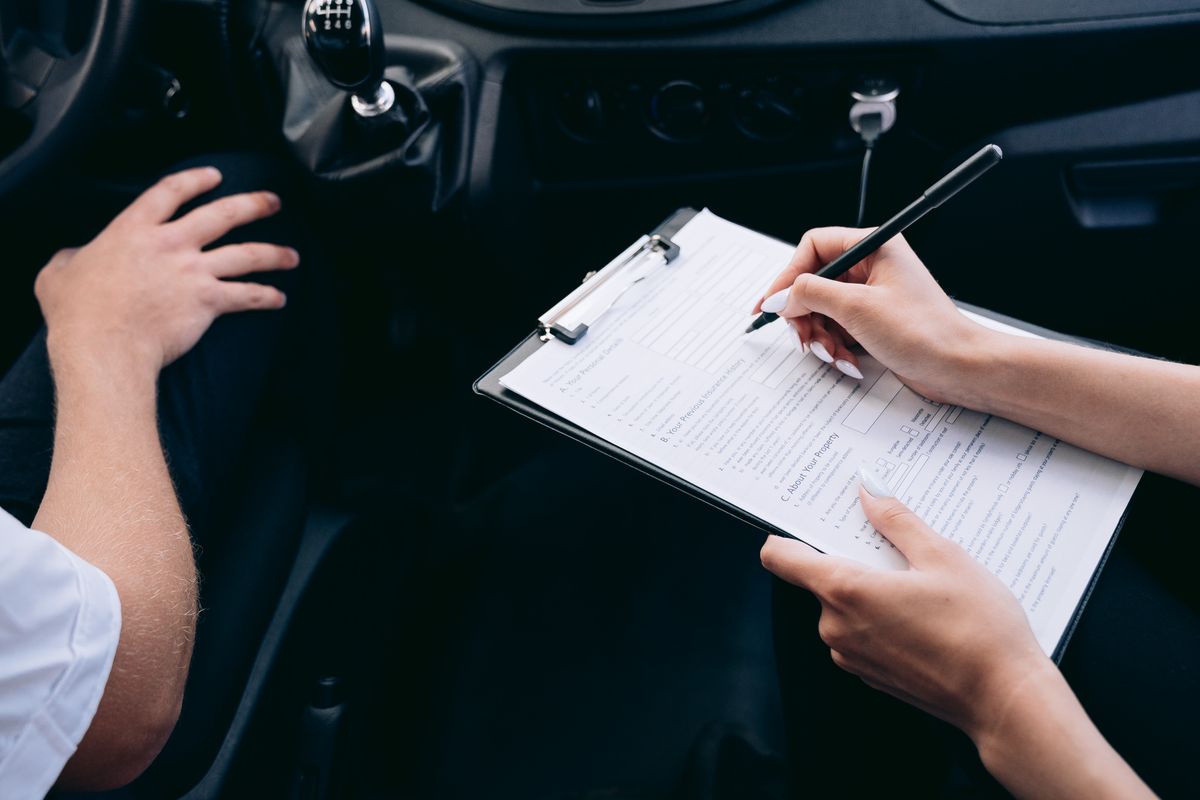
Compare commercial auto vs personal auto insurance: coverage, costs, and legal requirements for truckers. Learn when you need commercial and how to save.
If you drive a truck for work, you might wonder if your personal auto insurance covers you. The short answer: usually not. Personal auto policies exclude business use, especially commercial hauling. Commercial auto insurance is designed for vehicles used for business, and it’s required by law and by most motor carriers. This guide breaks down the differences, costs, and what you need to do.
What Is Commercial Auto Insurance?
Commercial auto insurance covers vehicles used for business purposes, like delivery vans, box trucks, or semi-trucks. It includes liability, physical damage, and other coverages tailored to commercial operations. Policies are written for higher mileage, multiple drivers, and heavier vehicles. They also meet federal and state requirements for for-hire carriers.
Personal auto insurance covers your personal car for commuting, errands, and pleasure. It explicitly excludes business use. If you use your personal truck for work, even occasional deliveries, your insurer can deny a claim. That leaves you paying out of pocket for damages, injuries, and legal fees.
Key Differences: Coverage and Cost
| Feature | Personal Auto | Commercial Auto |
|---|---|---|
| Primary use | Personal, commuting | Business, hauling, delivery |
| Coverage limits | State minimums, often low | Higher limits required by contracts and FMCSA |
| Vehicle types | Cars, SUVs, light trucks | Trucks, vans, semi-trucks, specialized equipment |
| Drivers | Named individuals | Employees, owner-operators, multiple drivers |
| Premium range | $800-$2,000/year | $3,000-$12,000/year for light commercial; $8,000-$25,000+ for heavy trucks |
| Claims handling | Standard auto adjusters | Specialized commercial adjusters |
Commercial policies also include coverages like:
- Cargo insurance: Protects the freight you haul.
- Non-trucking liability: Covers you when you’re not under a load (e.g., bobtailing).
- Physical damage: Covers your truck for collision and comprehensive, regardless of load.
- General liability: For premises and operations, often required by shippers.
Personal policies don’t offer these. Even if you add a business endorsement, it’s not enough for commercial trucking.
When Do You Need Commercial Auto Insurance?
You need commercial auto insurance if you:
- Drive a vehicle with a GVWR over 10,000 lbs.
- Haul freight for hire, even with a pickup truck.
- Transport goods or passengers for a fee.
- Use your vehicle for any business activity beyond commuting to a fixed workplace.
If you’re an owner-operator leased to a carrier, the carrier often provides liability insurance, but you still need physical damage and cargo coverage. If you’re independent, you need your own commercial policy. Even if you only do occasional deliveries for your own business, your personal policy won’t cover an accident. The FMCSA requires minimum liability insurance of $750,000 for most for-hire carriers, and many shippers require $1 million.
How to Get Commercial Auto Insurance
Getting commercial auto insurance is straightforward, but it takes time. Here’s what to do this week:
- Gather your info: Your CDL, vehicle VIN, GVWR, and a list of all drivers (with their driving records).
- Get quotes from at least 3 insurers: Use an independent agent who specializes in trucking. They can access multiple markets.
- Compare coverage, not just price: Look at liability limits, deductibles, and included coverages. Cheaper isn’t always better.
- Ask about discounts: Safe driver, multi-vehicle, and paid-in-full discounts can save 5-15%.
- Review your policy annually: Your rates and coverage needs change as you add vehicles or drivers.
Expect to pay a deposit of 20-30% upfront, then monthly installments. Most insurers offer payment plans, but they may charge a fee.
Realistic Cost Examples (2026)
Here are typical annual premiums for different scenarios:
| Scenario | Annual Premium |
|---|---|
| Personal auto: 2019 Ford F-150, clean record | $1,200-$1,800 |
| Commercial light: 2020 Ford Transit, local delivery | $3,500-$6,000 |
| Commercial heavy: 2018 Peterbilt 579, OTR, $1M liability | $9,000-$18,000 |
| Commercial heavy with cargo and physical damage | $12,000-$25,000 |
These are ranges; your actual rate depends on your driving history, location, mileage, and the insurer. New drivers or those with violations can pay 30-50% more.
Common Mistakes to Avoid
- Using personal insurance for work: This voids your coverage. An accident could bankrupt you.
- Underinsuring to save money: If you cause an accident, you’re personally liable for anything above your limits. A $1 million policy is standard for a reason.
- Not listing all drivers: If an unlisted driver crashes, the claim is denied.
- Ignoring state requirements: Each state has minimum liability limits, but FMCSA rules apply if you cross state lines. Always meet the higher standard.
FAQ
Can I use my personal auto insurance for a commercial van? No. Personal policies exclude business use. You need commercial coverage for any vehicle used for business, even a van.
Is commercial auto insurance required for owner-operators? Yes, if you haul for hire. FMCSA requires minimum liability insurance, and most carriers and shippers require more. If you’re leased, the carrier may provide liability, but you still need physical damage and cargo.
How much does commercial auto insurance cost per month? For a light commercial vehicle, expect $300-$500 per month. For a heavy truck, $750-$2,000 per month, depending on coverage.
Can I get commercial auto insurance with a bad driving record? Yes, but you’ll pay more. Some insurers specialize in high-risk drivers. You can also take a defensive driving course to lower your rate.
The Bottom Line
Commercial auto insurance is not optional if you use your truck for business. It costs more than personal auto, but it protects your livelihood and assets. Start by getting quotes from a specialized agent, compare coverage, and make sure you’re fully insured before you hit the road. The extra cost is worth the peace of mind knowing you’re covered when the unexpected happens.