Box Truck vs Stake Truck
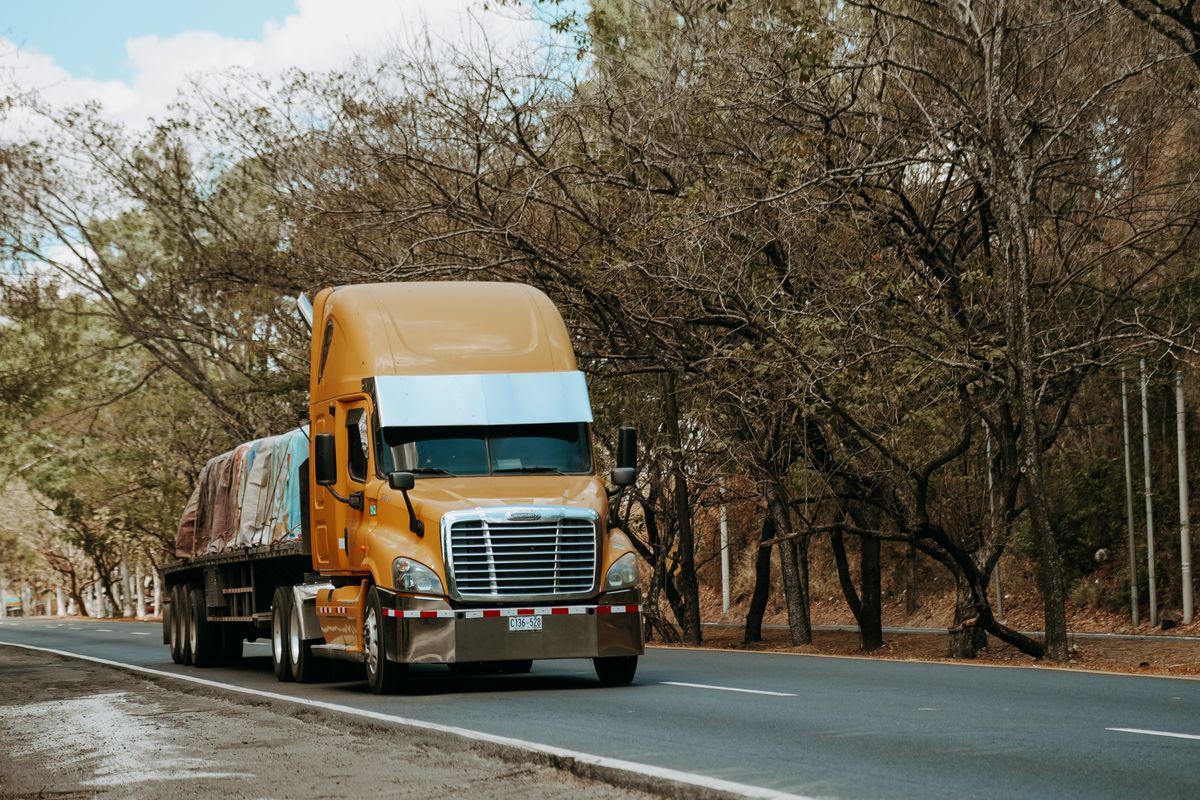
Compare box trucks and stake trucks for hauling: capacity, costs, driving, and best uses. Get practical advice for your trucking business in 2026.
Choosing between a box truck and a stake truck depends on what you haul, how you load it, and your budget. Box trucks offer enclosed, secure cargo space and are easier to drive. Stake trucks provide open, flexible hauling for oversized or irregular loads. This guide breaks down the key differences so you can pick the right tool for your business.
What Is a Box Truck?
A box truck (also called a cube van or straight truck) has a cargo box mounted on the chassis. The box is typically 12 to 26 feet long, with a gross vehicle weight rating (GVWR) from 10,000 to 26,000 pounds. You load through a roll-up rear door, and some have a side door. The enclosed design protects cargo from weather and theft.
What Is a Stake Truck?
A stake truck has a flatbed with removable wooden or metal stakes around the edges. The bed is usually 12 to 24 feet long. You can remove the stakes to create a completely flat surface, making it easy to load from any side or with a forklift. Stake trucks are open, so cargo is exposed to the elements and must be secured with straps or tarps.
Key Differences: Box vs Stake
Cargo Protection
Box trucks offer full protection from rain, snow, and prying eyes. Stake trucks leave cargo open, so you need tarps and tie-downs for weather protection. If you haul furniture, electronics, or packaged goods, a box truck is safer. For construction materials, lumber, or machinery, a stake truck works fine.
Loading and Unloading
Box trucks require a dock or a liftgate for heavy items. You load through the rear door, which can be slow if you have many small pieces. Stake trucks allow loading from any side, and you can use a forklift to place pallets directly on the bed. This makes stake trucks faster for job sites and warehouses without docks.
Versatility
Stake trucks can carry oversized items that won’t fit in a box, like pipes, beams, or equipment. You can also remove the stakes to haul flat items like drywall or plywood. Box trucks are limited to what fits through the rear door, but they handle loose cargo like boxes or furniture without needing tie-downs.
Driving and Maneuverability
Box trucks have a larger blind spot behind the box and are harder to back up. Stake trucks offer better visibility, especially when the stakes are low. Both require a commercial driver’s license (CDL) if the GVWR exceeds 26,000 pounds, but many box trucks stay under that limit. Stake trucks often have a higher GVWR, so check your state’s rules.
Cost Comparison: Box Truck vs Stake Truck
Here are realistic 2026 price ranges for buying, leasing, and operating both types.
| Cost Factor | Box Truck (12-26 ft) | Stake Truck (12-24 ft) |
|---|---|---|
| Purchase price (new) | $40,000 - $90,000 | $35,000 - $75,000 |
| Purchase price (used) | $15,000 - $45,000 | $12,000 - $35,000 |
| Monthly lease | $800 - $1,500 | $700 - $1,300 |
| Insurance (annual) | $3,000 - $6,000 | $2,500 - $5,500 |
| Fuel cost (per mile) | $0.30 - $0.45 | $0.25 - $0.40 |
| Maintenance (annual) | $2,000 - $5,000 | $1,500 - $4,000 |
Note: These are estimates for 2026. Actual prices vary by region, condition, and features.
Which One Should You Choose?
Choose a Box Truck If:
- You haul packaged goods, furniture, appliances, or food that needs protection.
- You deliver to retail stores or residential areas where security matters.
- You want a vehicle that’s easier to drive in city traffic.
- You plan to use load boards for freight that requires enclosed cargo.
Choose a Stake Truck If:
- You haul lumber, steel, pipes, or construction materials.
- You load with a forklift or crane and need side access.
- You carry oversized items that won’t fit in a box.
- You work in rural areas or job sites where a dock isn’t available.
Practical Steps to Decide This Week
- List your typical loads: Write down what you hauled in the last month. If most items were boxed or fragile, a box truck is better. If they were long or heavy, go stake.
- Check your loading situation: Do your customers have loading docks? If yes, a box truck is fine. If not, a stake truck with a liftgate might be easier.
- Get insurance quotes: Call two or three commercial insurance agents. Ask for quotes on both types with your driving record. This will show you the cost difference.
- Test drive both: Rent a box truck and a stake truck for a day. Drive them in your typical routes. Note visibility, turning radius, and how easy they are to load.
- Calculate total cost of ownership: Use the table above to estimate monthly costs. Include purchase or lease, insurance, fuel, and maintenance. Compare that to your expected revenue.
FAQ
Do I need a CDL to drive a box truck or stake truck?
It depends on the GVWR. If the vehicle’s GVWR is over 26,000 pounds, you need a CDL. Many box trucks are under that limit, but stake trucks often exceed it, especially with a heavy payload. Check your state’s rules.
Can I use a stake truck for moving furniture?
Yes, but you’ll need to tarp and strap everything. Furniture can get damaged by weather or road debris. A box truck is safer for household moves.
Which truck has better fuel economy?
Stake trucks are generally lighter and more aerodynamic, so they may get slightly better fuel economy. However, the difference is small, around 1-2 miles per gallon. Your driving habits matter more.
Are stake trucks more versatile than box trucks?
Stake trucks are more versatile for oversized or irregular loads, but box trucks are better for secure, weather-protected hauling. It depends on your niche.
The Bottom Line
Both box trucks and stake trucks have their place. Box trucks win for enclosed cargo, security, and city driving. Stake trucks win for flexibility, easy loading, and oversized items. Your choice should match your freight and your budget. Start by analyzing your typical loads and getting real quotes. Then test drive both to see which feels right. With the right truck, you’ll build a solid business in 2026.