Loading Dock vs Bay
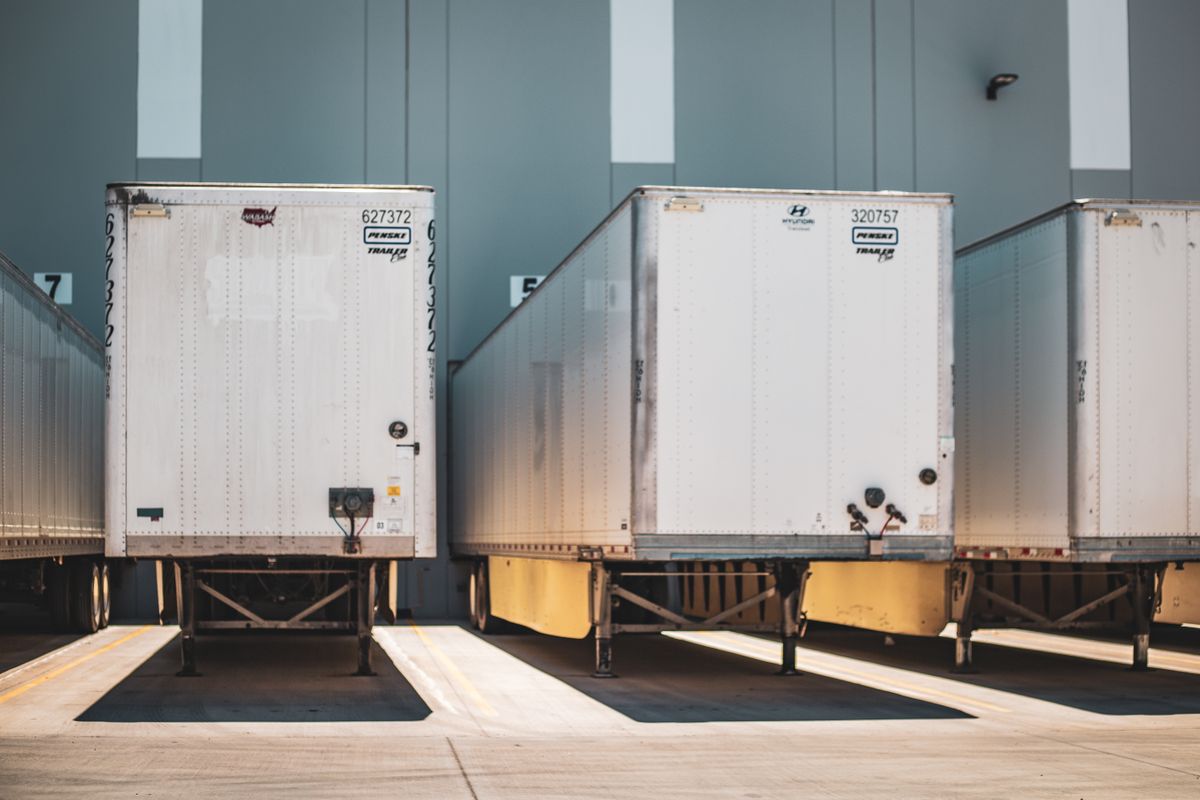
Compare loading docks and bays for truckers: costs, safety, efficiency, and practical tips for choosing the right facility in 2026.
When you’re new to trucking, terms like “loading dock” and “loading bay” get thrown around like they’re the same thing. They’re not. A loading dock is a raised platform where the trailer floor aligns with the warehouse floor. A loading bay is a ground-level area, often a door in a wall or a covered space, where you back in and load from the ground. The difference matters for your time, your safety, and your bottom line. Here’s the straight answer: loading docks are the standard for most freight, while bays are common for specific operations like side-loading or ground-level equipment. Your choice depends on the freight, the facility, and what you’re hauling.
What Is a Loading Dock?
A loading dock is a raised platform, typically 48 to 52 inches high, that matches the height of a standard trailer floor. You back your trailer up to the dock, and a dock leveler bridges the gap. This is the most common setup at warehouses, distribution centers, and big-box retailers. You’ll see them at places like Amazon, Walmart, and most freight terminals.
Key features:
- Raised platform with dock levelers
- Dock seals or shelters to keep weather out
- Dock doors with bumpers to protect the building
- Often have dock lights and levelers for safe loading
Pros for drivers:
- Faster loading and unloading because forklifts can drive straight in
- Less physical strain: no ramps or lifting from ground level
- Standardized: most facilities expect you to back into a dock
Cons:
- Requires precise backing: you have to align perfectly with the dock door
- Dock height can vary: some are 46 inches, some are 54, so you might need to adjust your landing gear
- If the dock is occupied, you wait
What Is a Loading Bay?
A loading bay is a ground-level area, often a recessed or covered space, where the trailer backs in and the loading floor is at ground level. You might see bays at auto parts stores, lumber yards, or facilities that handle heavy equipment or side-loading operations. Sometimes it’s just a door in a wall with a concrete pad, no raised platform.
Key features:
- Ground-level access: no dock height to match
- Often used for roll-up doors or side-loading trailers
- May have a ramp or a pit for leveling
- Common in facilities that handle pallets on the ground or use forklifts with ramps
Pros for drivers:
- Easier backing: you don’t need to align with a raised platform, just get close to the door
- More forgiving: you can adjust your position without worrying about dock height
- Good for specialized freight like machinery or oversized loads
Cons:
- Slower loading: forklifts have to go up ramps or use ground-level equipment, which takes more time
- More physical work: if you’re hand-loading, you’re lifting from the ground
- Less common: you might have to search harder to find a bay facility
Comparison Table: Loading Dock vs Bay
| Factor | Loading Dock | Loading Bay |
|---|---|---|
| Typical height | 48-52 inches raised | Ground level |
| Loading speed | Fast (forklift direct) | Slower (ramp or ground handling) |
| Backing difficulty | High (precision needed) | Low (more forgiving) |
| Common facilities | Warehouses, DCs, retail | Lumber yards, auto shops, specialized |
| Cost to build (facility) | $30,000-$60,000 per dock | $10,000-$25,000 per bay |
| Driver time per stop | 30-60 minutes avg | 45-90 minutes avg |
| Safety risk | Moderate (fall risk from dock) | Lower (ground level) |
Note: Costs are estimates for facility construction, not driver costs. Driver time varies widely by freight type and equipment.
Cost and Time Implications for Drivers
Your pay often depends on how many stops you make or how many miles you run. A loading dock can get you in and out faster, which means more stops per day if you’re on a route. A bay might take longer, cutting into your hours of service and your paycheck.
- Detention pay: If you’re at a bay for over 2 hours, you might be eligible for detention pay, typically $50-$100 per hour after the free time. But not all carriers pay it, so know your contract.
- Fuel costs: Idling while waiting at a bay burns fuel, roughly 1 gallon per hour for a heavy truck. At $3.50-$4.50 per gallon in 2026, that’s $3.50-$4.50 per hour just to sit.
- Deadhead miles: If you have to drive extra to find a bay facility, that’s wasted miles. Factor that into your route planning.
Safety and Regulations
Both docks and bays have safety rules under OSHA and DOT. For docks, the main risk is falling off the edge, especially in the dark. For bays, the risk is more about forklift traffic and ground-level hazards.
- Dock safety: Always chock your wheels, use the dock lock if available, and never back in without checking for clearance. In 2026, many facilities require dock locks to prevent trailer creep.
- Bay safety: Watch for uneven surfaces, and make sure the ground can support your trailer’s weight. If you’re backing into a bay with a ramp, check the ramp’s weight rating.
- Hours of service: Your time at a dock or bay counts as on-duty, not driving. If you’re waiting, log it as on-duty not driving. Don’t fudge your logs; ELDs will catch it.
How to Choose the Right Facility
When you’re planning a trip or accepting a load, ask the dispatcher or broker about the facility type. Here’s what to do this week:
- Ask upfront: When you get a load assignment, ask: “Is this a dock or a bay? What’s the door height?” This helps you prepare.
- Use your TMS or dispatch app: Many load boards and TMS software list facility types. Check the notes before you go.
- Scout with Google Maps: Use satellite view to see if the facility has raised docks or ground-level doors. Look for the concrete pads.
- Plan for extra time: If it’s a bay, assume it’ll take 30 minutes longer. Adjust your schedule so you don’t run out of hours.
- Know your equipment: If you have a liftgate, a bay might be easier. If you’re pulling a reefer, docks are more common at cold storage.
FAQ
Q: Can I back into a loading bay with a standard 53-foot trailer? A: Yes, but it depends on the bay’s depth and width. Some bays are tight, so check the facility’s specs. If it’s a standard door, you’ll be fine, but if it’s a narrow bay, you might need to spot.
Q: Are loading bays cheaper for shippers, and does that affect my pay? A: Bays are cheaper to build, but that doesn’t directly affect your pay. However, if the facility is slower, you might hit detention pay thresholds, which can increase your earnings if your carrier pays it.
Q: Do ELD rules differ between docks and bays? A: No. Both count as on-duty time. The only difference is that waiting at a dock or bay is logged as on-duty not driving, not sleeper berth. Don’t try to log it as off-duty unless you’re truly free to leave.
Q: What if the dock height doesn’t match my trailer? A: Use your landing gear to adjust, but don’t crank it too high. Most docks have a range of 46-54 inches. If it’s way off, ask for a dock leveler or a different door. Don’t force it.
The Bottom Line
Loading docks and bays serve different purposes, and knowing the difference can save you time, money, and headaches. Docks are faster and more common, but bays are sometimes unavoidable. Always ask about the facility type before you head out, plan for extra time at bays, and keep safety first. In 2026, with ELDs and tight schedules, every minute counts. Choose the right facility for your freight, and you’ll keep your wheels turning and your pay steady.