Open vs Enclosed Auto Transport
Compare open and enclosed auto transport: costs, protection, timing, and how to choose the right option for your vehicle in 2026.
When you need to move a vehicle across the country, you have two main choices: open transport or enclosed transport. Open carriers haul cars on an open trailer, exposed to weather and road debris. Enclosed carriers put your vehicle inside a covered trailer, offering full protection. The right pick depends on your budget, the vehicle’s value, and how much risk you can tolerate. Here’s the straight comparison so you can decide with confidence.
What Is Open Auto Transport?
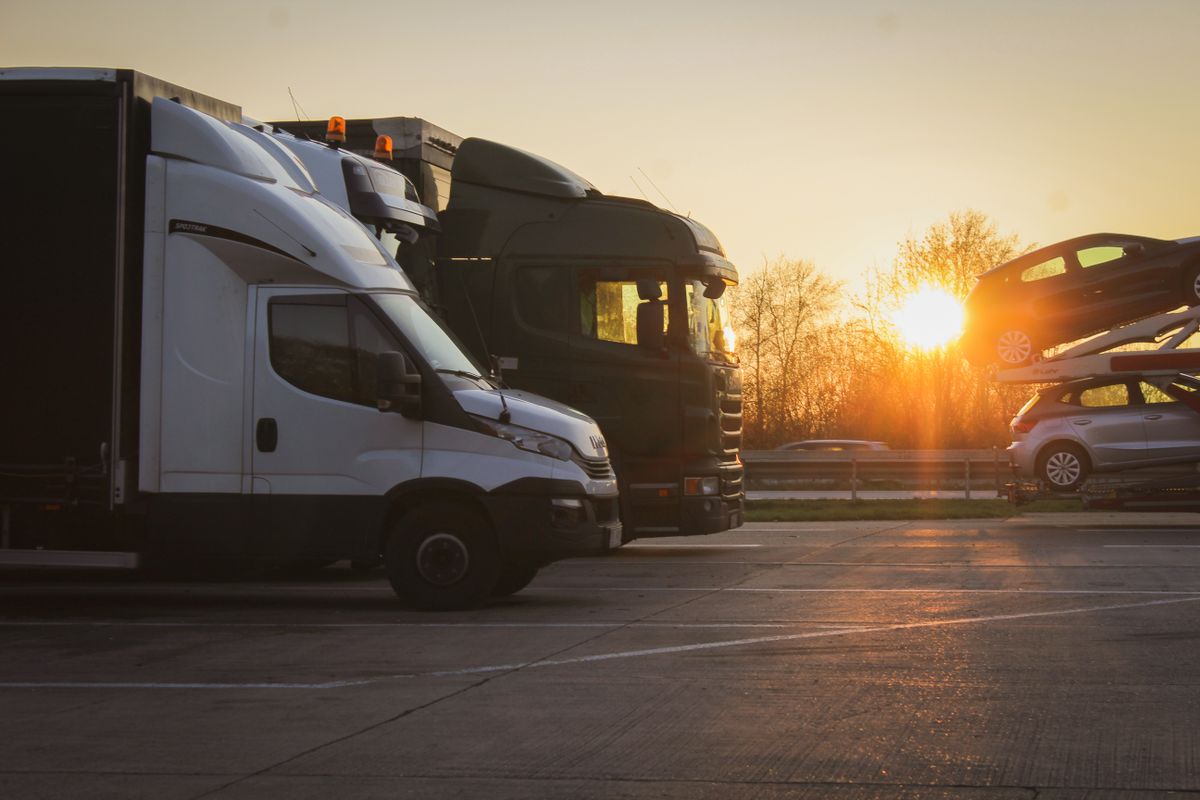
Open transport is the industry standard. Your vehicle is loaded onto a multi-level trailer that holds 7 to 10 cars, with no sides or roof. It’s the same method used to deliver new cars to dealerships. Because it carries more vehicles and has lower operating costs, open transport is cheaper and more widely available.
Pros:
- Lower cost: typically $0.50 to $1.00 per mile for a standard car.
- Faster scheduling: more carriers available, so pickup and delivery windows are shorter.
- More flexible: easier to find a carrier for less common routes.
Cons:
- Exposure to weather: rain, sun, hail, and snow can affect the paint and interior.
- Road debris: rocks, gravel, and small impacts can chip paint or crack windshields.
- Less security: the vehicle is visible at all times, which can attract theft or vandalism.
What Is Enclosed Auto Transport?
Enclosed transport uses a covered trailer, usually with a hydraulic lift gate. It holds 2 to 5 vehicles, and each car is strapped down individually. This method is standard for classic cars, exotics, and high-value vehicles. It costs more because the trailer is more expensive to operate and carries fewer vehicles.
Pros:
- Full protection: no weather or road debris exposure.
- Lower risk of damage: enclosed trailers often have air-ride suspension, reducing vibration.
- Better security: vehicles are out of sight, reducing theft risk.
Cons:
- Higher cost: typically $1.00 to $2.50 per mile, sometimes more for long distances.
- Longer wait times: fewer enclosed carriers, so scheduling can take days or weeks longer.
- Limited availability: not all routes have enclosed carriers, especially in rural areas.
Cost Comparison: Open vs Enclosed (2026 Figures)
Prices vary by distance, vehicle size, and season. Here are realistic ranges for a standard sedan (e.g., Toyota Camry) as of early 2026:
| Distance | Open Transport | Enclosed Transport |
|---|---|---|
| 500 miles | $300 - $500 | $600 - $1,000 |
| 1,000 miles | $500 - $900 | $1,000 - $1,800 |
| 2,500 miles (coast-to-coast) | $1,000 - $1,800 | $2,000 - $3,500 |
For a larger vehicle like a full-size SUV or truck, add 15-25% to these figures. For a compact car, subtract 10-15%. During peak season (May to September) and around holidays, expect 10-20% higher prices.
When to Choose Open Transport
Open transport is the smart choice for most everyday vehicles: sedans, SUVs, minivans, and standard pickup trucks. If your car is less than $40,000 in value, or if you’re not concerned about minor cosmetic issues, open transport saves you money without significant risk. It’s also the better option when you need a vehicle moved quickly, because more carriers are available.
Practical tip: If you choose open transport, ask the carrier if the vehicle will be on the top or bottom level. Top level means less exposure to road spray, but it also means more sun and wind. Bottom level is more protected from sun but more prone to debris. For most drivers, top level is fine.
When to Choose Enclosed Transport
Enclosed transport is worth the extra cost for vehicles that are:
- Classic, antique, or collector cars (value over $40,000)
- Exotic or luxury vehicles (e.g., Ferrari, Lamborghini, high-end Mercedes)
- Modified vehicles with low ground clearance or custom paint
- Vehicles that are not driveable (e.g., project cars) because they need extra care during loading
If your vehicle’s value is above $50,000, the peace of mind alone justifies the higher price. Also, if you’re shipping a vehicle to a concours event or a buyer who expects perfection, enclosed is the only way to go.
How to Choose the Right Option: A Step-by-Step Guide
- Assess your vehicle’s value. If it’s under $40,000, open transport is usually fine. If it’s over $50,000, go enclosed. In between, weigh the risk.
- Check your timeline. If you need the vehicle moved within a week, open transport is your best bet. Enclosed can take 1-2 weeks longer.
- Get quotes from multiple brokers. Use a load board or a broker service to compare prices. Always ask for a written quote that includes fuel surcharges and any fees.
- Read reviews. Check the carrier’s DOT number and look up reviews on the FMCSA website or transport forums.
- Ask about insurance. Both options should include liability and cargo insurance, but confirm the coverage amount. For enclosed, ask if the carrier has additional coverage for high-value vehicles.
- Inspect before loading. Take photos of your vehicle from all angles, including the odometer and any existing damage. This protects you if you need to file a claim.
Insurance Considerations
Every carrier must have minimum liability insurance, but cargo insurance (which covers your vehicle) varies. For open transport, most carriers offer $100,000 to $250,000 in cargo coverage. For enclosed, some carriers offer up to $1 million, especially for high-end vehicles. Always verify the carrier’s insurance certificate before you book. If your vehicle is worth more than the carrier’s coverage, consider buying additional transit insurance through a third party.
FAQ
Q: Is enclosed transport always safer? A: Generally yes, because the vehicle is protected from weather and debris. However, accidents can happen on any carrier. Enclosed trailers also have air-ride suspension, which reduces vibration and impact, but the driver’s skill matters more than the trailer type.
Q: Can I ship a non-running car? A: Yes, but it costs more. Non-running vehicles require a winch or a lift gate, which adds $100 to $300 to the total. Enclosed transport is often easier for non-running cars because the lift gate can handle them without rolling.
Q: How far in advance should I book? A: For open transport, book 1-2 weeks ahead. For enclosed, book 2-4 weeks ahead, especially during peak season. Last-minute bookings are possible but cost more and limit your options.
Q: What if my vehicle gets damaged during transit? A: Document the damage at delivery, note it on the bill of lading, and file a claim with the carrier within 24 hours. Take photos and keep all paperwork. If the carrier disputes, contact the FMCSA or your insurance provider.
The Bottom Line
Open transport is the economical, practical choice for most vehicles. It’s cheaper, faster, and easier to book. Enclosed transport is the premium option for high-value or classic cars, offering full protection and peace of mind. Match the option to your vehicle’s value and your budget. For a standard car worth under $40,000, open transport is the smart move. For a classic or exotic worth over $50,000, pay the extra for enclosed. And always get multiple quotes, verify insurance, and inspect your vehicle before and after the move. That’s how you avoid headaches and keep your ride safe on the road.