Air Brakes vs Air Over Hydraulic Brakes
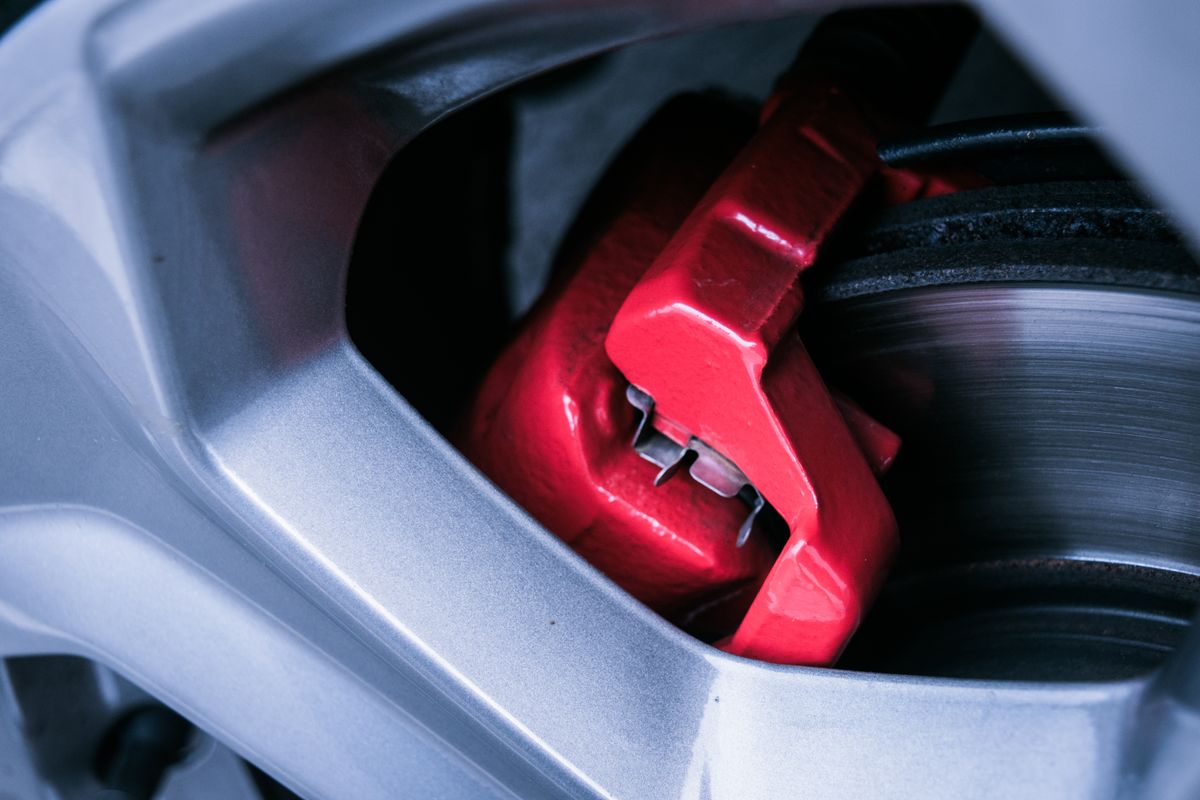
Compare air brakes vs air over hydraulic brakes: cost, maintenance, performance, and which is right for your trucking operation.
When you’re spec’ing a truck or trailer, the brake system is a critical decision. Air brakes and air over hydraulic (AOH) brakes both use compressed air, but they differ in how that air stops the wheels. This guide breaks down the differences, costs, and practical considerations so you can choose the right system for your rig.
How Each System Works
Air brakes are the standard on heavy-duty trucks and trailers. Compressed air is stored in tanks and, when you press the brake pedal, air pressure pushes a diaphragm in the brake chamber, which turns a cam or wedge to press the brake shoes against the drum. The system is fail-safe: if air pressure drops below a threshold, the brakes apply automatically (spring brakes).
Air over hydraulic brakes combine air and hydraulic fluid. Air pressure operates a hydraulic master cylinder, which then sends hydraulic fluid to the wheel cylinders or calipers. This system is common on medium-duty trucks (Class 3-6) and some trailers, especially those that need a smoother, more controllable brake feel.
Cost Comparison
Initial cost and ongoing maintenance are major factors. Here’s a realistic breakdown (2026 figures):
| System | Initial Cost (per axle) | Maintenance Cost (annual, per axle) | Typical Lifespan |
|---|---|---|---|
| Air brakes | $2,500-$4,000 | $300-$600 | 10-15 years |
| Air over hydraulic | $1,800-$3,000 | $400-$800 | 8-12 years |
Note: These are averages. Costs vary by manufacturer, axle configuration, and whether you use drums or discs.
Performance and Feel
Air brakes are known for their firm, on-off feel. They require a certain pedal pressure and can be grabby if not adjusted properly. Air over hydraulic brakes offer a more progressive, car-like pedal feel, which can be easier to modulate, especially in stop-and-go traffic.
However, air brakes are better suited for heavy loads and long descents. They have built-in features like automatic slack adjusters and are designed for continuous heavy use. AOH systems can overheat and fade more quickly under severe braking.
Maintenance and Repair
Air brakes are simpler in some ways: no hydraulic fluid to leak, and components are widely available. But they require regular checks of air pressure, brake adjustment, and occasional replacement of diaphragms and chambers.
AOH systems have more components: air compressor, hydraulic pump, master cylinder, lines, and fluid. Hydraulic fluid can leak, and air in the lines can cause spongy brakes. Maintenance requires bleeding the system, which is more labor-intensive.
In practice, many owner-operators find air brakes easier to maintain themselves, while AOH may require a shop with specialized equipment.
Safety and Regulations
Air brakes are required for vehicles over 26,000 lbs GVWR in the US, and for any vehicle towing a trailer with air brakes. AOH is common on lighter trucks, but if you plan to pull a trailer with air brakes, you’ll need air on the tractor.
Both systems must meet FMVSS 121 standards, but air brakes have a longer track record in heavy-duty applications. For mountain driving, air brakes are generally more reliable due to their resistance to fade.
Which Should You Choose?
Consider your operation:
- Heavy loads, long hauls, or mountain routes: Air brakes are the safer, more durable choice.
- Light to medium loads, city driving, or a truck that doubles as a personal vehicle: AOH may offer better drivability and lower initial cost.
- If you plan to tow a trailer with air brakes: You need air brakes on the truck.
- If you do your own maintenance: Air brakes are often easier to service.
FAQ
Can I convert from AOH to air brakes? Yes, but it’s expensive and complex. You’ll need to replace the entire braking system, including chambers, valves, and possibly the compressor. Costs can run $5,000-$10,000 or more, so it’s usually not worth it unless you’re doing a full restoration.
Are air over hydraulic brakes safer than air brakes? Not necessarily. Both are safe when maintained. Air brakes have a fail-safe design that applies brakes if air pressure is lost, while AOH can lose braking if hydraulic fluid leaks. For heavy loads, air brakes are generally preferred.
How often should I check brake adjustment? For air brakes, check slack adjusters daily or weekly, and have a full inspection every 30,000 miles or 3 months. For AOH, check fluid level and brake feel weekly.
What’s the resale value difference? Trucks with air brakes generally have higher resale value, especially in the heavy-duty market, because they’re more versatile and expected by buyers.
The Bottom Line
Air brakes are the industry standard for heavy-duty trucking, offering durability, safety, and resale value, but at a higher upfront cost. Air over hydraulic brakes are a viable option for lighter applications, providing better feel and lower initial expense, but they require more frequent maintenance and may not handle extreme loads as well. Assess your typical loads, routes, and budget, then choose the system that fits your operation. If you’re still unsure, talk to a trusted mechanic or other drivers who run similar routes.