Air Brake and Equipment
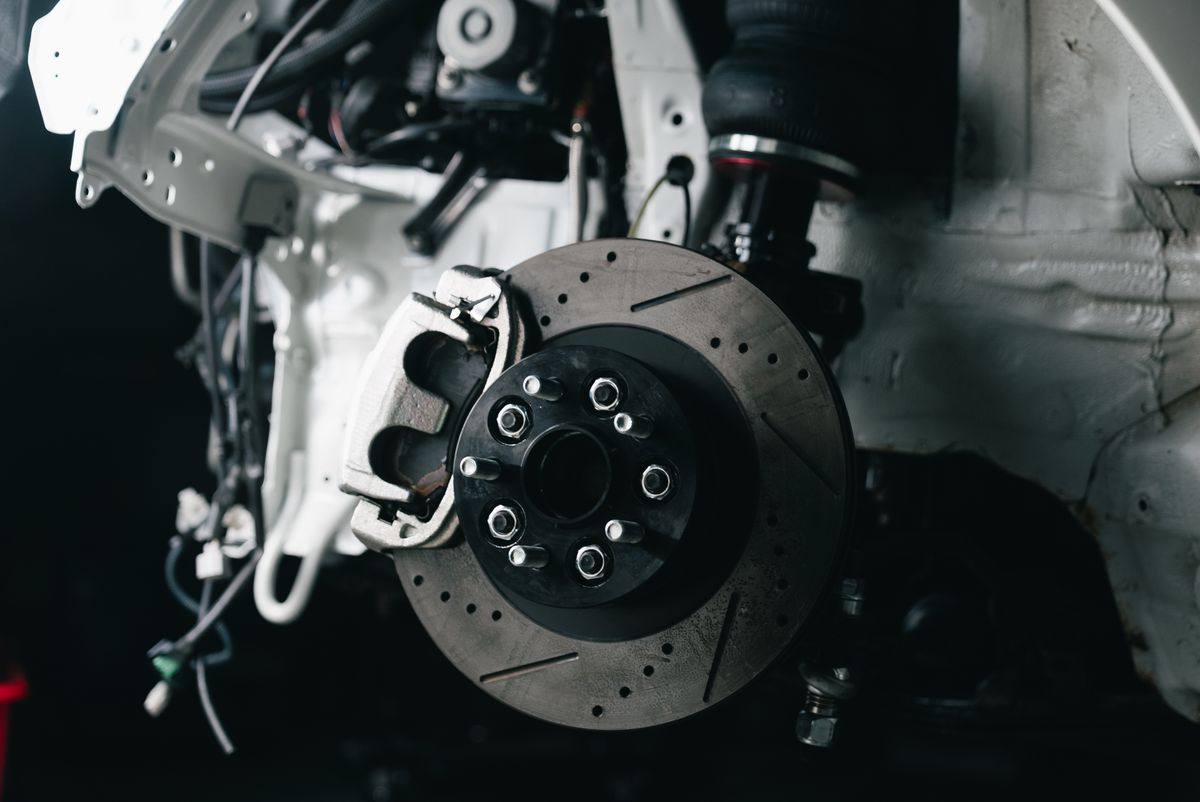
Learn how air brakes work, key components, maintenance tips, and costs. A practical guide for truck drivers and owner-operators.
Air brakes are the standard braking system on heavy trucks, and understanding them is not optional. If you drive a commercial vehicle, you need to know how they work, what to inspect, and how to keep them reliable. This guide covers the basics, common problems, and maintenance steps you can take this week.
How Air Brakes Work
Air brakes use compressed air to apply pressure to brake pads or shoes. When you press the brake pedal, air flows from the reservoirs to the brake chambers, pushing a diaphragm that moves the push rod and applies the brakes. Release the pedal, and the air exhausts, releasing the brakes.
Key components include:
- Air compressor: Pumps air into the system, usually engine-driven.
- Reservoirs: Tanks that store compressed air, typically 120-150 psi.
- Brake chambers: Convert air pressure into mechanical force.
- Slack adjusters: Maintain proper brake stroke.
- Brake shoes/pads: Friction material that contacts the drum or rotor.
- Valves: Control air flow, including the foot valve, relay valve, and check valves.
Daily Inspection Basics
Before every trip, do a simple air brake check. This takes about 5 minutes and can prevent failures on the road.
- Visual check: Look for loose hoses, cracked fittings, or oil leaks.
- Air pressure: With engine running, build pressure to 100-120 psi. Note the cutoff (usually 120-130 psi).
- Air loss test: Turn off engine, press brake pedal, and hold for 1 minute. Loss should not exceed 3 psi per minute with brakes released, or 4 psi with brakes applied.
- Low pressure warning: The warning light or buzzer should activate at 60 psi or below.
- Brake stroke: Check push rod travel. Typical stroke limits: 2 inches for type 30 chambers, but check your vehicle’s spec.
If anything fails, fix it before driving. Never drive with a known air leak or faulty brakes.
Common Air Brake Problems
- Air leaks: Hissing sounds, pressure drops. Common at fittings, chambers, or valves.
- Brake fade: Overheated brakes lose effectiveness, often after long downgrades. Use engine braking and proper gear selection.
- Moisture in system: Water can freeze in cold weather, blocking air lines. Drain reservoirs daily.
- Worn brake linings: Thin linings reduce braking power. Check thickness during inspections.
- Malfunctioning slack adjusters: If they don’t self-adjust, brake stroke becomes excessive.
Maintenance Schedule and Costs
Regular maintenance extends brake life and prevents costly breakdowns. Here’s a typical schedule:
- Daily: Drain air tanks, check pressure, listen for leaks.
- Weekly: Inspect brake linings and drums for wear, check slack adjusters.
- Monthly: Test brake stroke, check air dryer operation.
- Every 6 months: Have a certified mechanic inspect the entire system.
Costs vary by region and shop, but expect:
- Brake pad replacement: $200-$400 per axle (parts and labor).
- Brake shoe replacement: $300-$500 per axle.
- Air dryer cartridge: $50-$100, replace annually or as needed.
- Slack adjuster: $50-$150 each, plus labor.
- Full brake job (all wheels): $1,500-$3,000 depending on truck and shop rates.
Air Dryer and Moisture Control
Moisture is the enemy of air brakes. An air dryer removes water and oil from compressed air. Check it regularly:
- Drain reservoirs daily: Pull the drain valve at the bottom of each tank until no moisture comes out.
- Inspect air dryer: Look for leaks, check the cartridge condition. Replace cartridge every 12-18 months or per manufacturer.
- Cold weather: If you operate in freezing temps, use alcohol evaporator or ensure the dryer works properly to prevent ice.
Brake Adjustment and Stroke
Proper brake stroke is critical. If stroke is too long, brakes engage late. If too short, brakes may drag.
- Measure stroke: With brakes applied, measure the distance from the chamber to the push rod. Compare to the limit stamped on the chamber (e.g., 2 inches for type 30).
- Automatic slack adjusters: They self-adjust, but still check stroke manually. If stroke exceeds limit, inspect for worn parts or improper installation.
- Manual adjustment: If you have manual adjusters, turn the adjusting bolt until the brake shoes just contact the drum, then back off 1/2 turn.
Troubleshooting Quick Guide
| Symptom | Likely Cause | Action |
|---|---|---|
| Hissing sound | Air leak | Find and fix leak, check fittings |
| Low pressure warning | Compressor issue or leak | Check compressor, inspect lines |
| Brakes drag | Over-adjusted or stuck valve | Adjust slack, check valve operation |
| Brake fade | Overheated brakes | Stop and cool down, use engine brake |
| Uneven braking | Worn linings or bad chamber | Inspect and replace components |
FAQ
Q: How often should I drain air tanks? A: Daily. Moisture accumulates quickly, especially in humid or cold climates. Draining takes less than a minute and prevents freeze-ups and corrosion.
Q: What is the legal minimum brake stroke? A: There is no legal minimum, but there is a maximum. For type 30 chambers, it’s 2 inches. Check your vehicle’s spec plate. If stroke exceeds the limit, brakes are out of adjustment and you may be cited.
Q: Can I adjust my own brakes? A: Yes, if you have manual adjusters. But if you have automatic slack adjusters, you should not manually adjust them unless you’re troubleshooting. Incorrect adjustment can cause problems. If unsure, have a mechanic do it.
Q: How much does it cost to fix an air leak? A: Depends on the source. A simple fitting replacement might cost $20-$50 in parts plus labor. A leaking brake chamber could be $100-$200. Always fix leaks promptly; they waste fuel and reduce braking power.
The Bottom Line
Air brakes are reliable if you maintain them. Daily inspections, regular draining, and prompt repairs are non-negotiable. Know your brake stroke limits, understand the warning signs, and budget for maintenance. A few minutes of preventive care can save you thousands in repairs and keep you safe on the road. If you’re new to air brakes, take a course or ask an experienced mechanic to walk you through the system. Your life depends on it.