3pl Companies for Storage
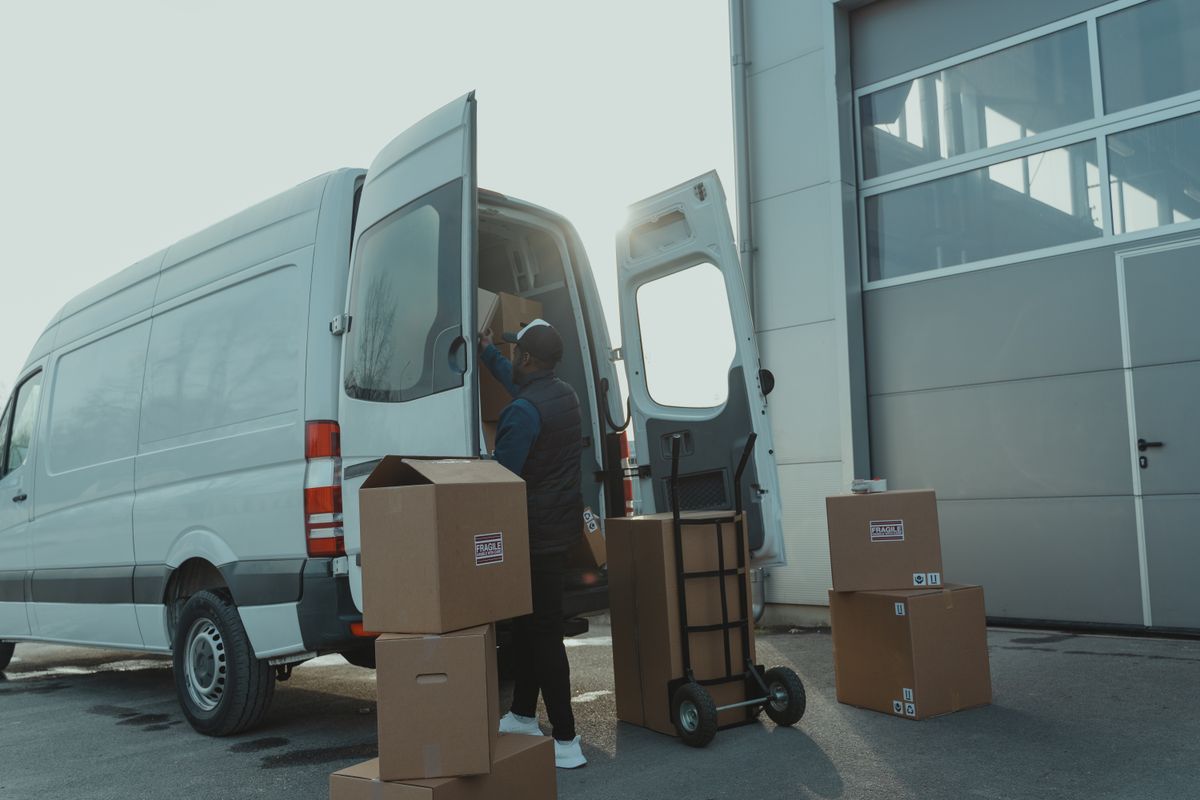
Find the best 3PL for storage: compare costs, features, and scalability. Get practical steps to choose the right partner for your business.
If you need storage space without the headache of managing a warehouse, a third-party logistics (3PL) company can handle it. This guide explains what 3PLs offer for storage, how much it costs, and how to pick the right one for your needs.
What Does a 3PL Storage Provider Do?
A 3PL storage provider rents you space in their warehouse and manages the physical handling of your goods. That includes receiving, put-away, inventory management, and order fulfillment. You don’t have to sign a long-term lease or hire warehouse staff. Instead, you pay for the space and services you actually use.
Most 3PLs offer flexible storage options: pallet storage, rack storage, and even bulk storage for oversized items. Some also provide value-added services like kitting, labeling, and returns processing. The key is that you get a partner who can scale with your business, whether you need 100 pallets or 10,000.
How Much Does 3PL Storage Cost?
Storage costs vary widely based on location, space type, and volume. Here are typical ranges for 2026:
- Pallet storage: $8 to $20 per pallet per month, depending on the market and whether it’s racked or floor storage.
- Per square foot: $0.50 to $1.50 per square foot per month for warehouse space.
- Handling fees: $2 to $5 per received unit, and $2 to $5 per picked unit. These are often separate from storage.
- Setup fees: Some 3PLs charge a one-time onboarding fee, ranging from $100 to $500, to set up your account and receive your first shipment.
For example, if you store 200 pallets at $12 per pallet per month, that’s $2,400 per month in storage alone. Add handling and you might see a total bill of $4,000 to $6,000. Always ask for a full quote that includes all fees, not just the base storage rate.
Types of 3PL Storage Models
Dedicated Storage
You get a specific area in the warehouse reserved for your products. This gives you more control over layout and access, but you pay for the space even if it’s empty. Good for steady, predictable inventory.
Shared Storage
You share warehouse space with other companies. You pay only for the space you actually use, usually measured by pallet positions or cubic feet. This is more flexible and cost-effective for seasonal or fluctuating inventory.
On-Demand Storage
Some 3PLs offer short-term or pop-up storage for peak seasons or special projects. You can rent space for a few weeks or months without a long-term commitment. Rates are higher per unit, but you avoid long-term liability.
How to Choose a 3PL for Storage
Step 1: Define Your Needs
List your inventory volume, product dimensions, and any special requirements like temperature control or hazardous materials. Also estimate your peak season needs. This helps you narrow down 3PLs that can handle your specific products.
Step 2: Get Quotes from Multiple 3PLs
Contact at least three 3PLs and ask for a detailed quote. Provide them with your estimated storage volume and handling frequency. Compare not just the storage rate, but also handling fees, setup costs, and any minimum commitments.
Step 3: Check Technology and Reporting
Ask about their warehouse management system (WMS). You need real-time inventory visibility, order tracking, and reporting. A good 3PL should give you access to a dashboard or API so you can integrate with your own systems.
Step 4: Visit the Facility
If possible, tour the warehouse. Check cleanliness, organization, and security. Talk to the staff and ask about their experience with similar products. A facility that looks chaotic will likely cause problems.
Step 5: Review the Contract Carefully
Look for hidden fees, such as extra charges for pallet moves, inventory counts, or after-hours access. Understand the termination clause and any auto-renewal terms. Get everything in writing.
Top 3PL Storage Providers to Consider
Here are five well-known 3PLs that offer storage solutions. Prices are estimates for 2026 and vary by location and volume.
| Provider | Best For | Storage Pricing (per pallet/month) | Notable Features |
|---|---|---|---|
| ShipBob | E-commerce brands | $15-$25 | Built-in fulfillment, integrations with Shopify and Amazon |
| Red Stag Fulfillment | Heavy or large items | $10-$20 | 99.9% accuracy, no hidden fees, 2-day shipping |
| ShipMonk | Startups and scaling brands | $12-$22 | Flexible storage, no long-term contracts, international shipping |
| Fulfillment.com | Multi-channel sellers | $8-$18 | Low storage rates, robust API, 3PL expertise |
| Stord | High-volume shippers | $10-$25 | Nationwide network, advanced analytics, custom solutions |
These are just a few options. Always get quotes from several providers to find the best fit for your budget and needs.
FAQ
What is the difference between a 3PL and a public warehouse?
A 3PL offers storage plus additional services like fulfillment, kitting, and inventory management. A public warehouse typically just stores goods and charges by the pallet or square foot. If you only need storage, a public warehouse might be cheaper, but a 3PL gives you more flexibility and support.
How do I know how much storage space I need?
Calculate your average inventory in pallets or cubic feet. Multiply your average monthly sales by your lead time in months to get your safety stock. Add a buffer for seasonal spikes. Most 3PLs can help you estimate once you share your sales data.
Are there contracts with 3PLs for storage?
Many 3PLs offer month-to-month agreements, but some require a minimum term like 6 or 12 months. Read the contract carefully. If you have seasonal needs, look for a provider that allows you to scale down during slow periods.
Can I switch 3PLs easily?
Yes, but it takes planning. You need to coordinate the transfer of inventory, update your systems, and possibly pay for outbound shipping. Give yourself at least 30 days to transition. Some 3PLs charge a storage transfer fee, so factor that into your decision.
The Bottom Line
Choosing the right 3PL for storage comes down to your specific needs, budget, and growth plans. Start by defining your requirements, get quotes from multiple providers, and visit facilities if you can. Focus on total cost, not just the storage rate. A good 3PL can save you time and money, letting you focus on your core business. Take the first step today by reaching out to two or three providers and asking for a quote.